***
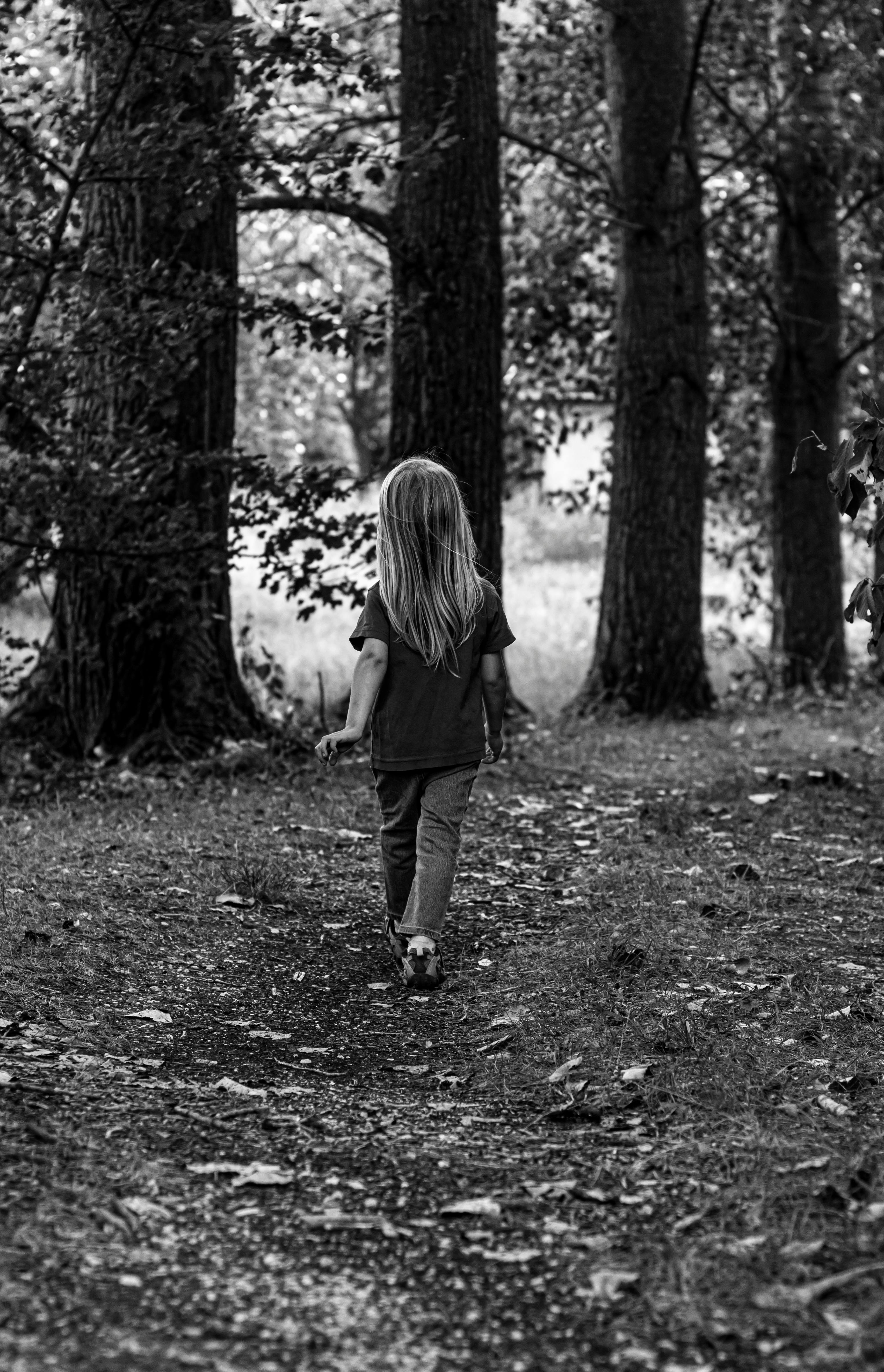
I used to believe the woods behind our trailer could hear me. Not in the way adults hear—with ears and judgment and quick corrections—but in the way something older listens, something patient. I believed the trees noticed when I came barefoot, when I whispered secrets into the bark, when I cried so hard my chest hurt and I thought I might split open like a cracked pecan.
No one told me this was magic. It was just survival.
I was seven when I learned that loneliness makes its own language. My brother was still small enough to believe I could fix anything, and I was still small enough to believe that might be true. We didn’t have much, but we had those woods. Pine needles soft as carpet. Spiderwebs strung like jewelry between branches. The air thick with the smell of earth and something green and breathing.
I remember the first time I asked for help. I pressed my palm against a tree and closed my eyes. Please, I thought. Just help us be okay.
Nothing happened. But also, everything did. A wind came—not strong, not loud. Just enough to touch my face. Just enough to make me feel answered.
As I got older, people told me magic wasn’t real. They said it with the same certainty they used to talk about bills and work and the hard shape of the world. Magic, they explained, was for children. Magic was pretending. Magic was something you grew out of, like baby teeth and imaginary friends.
Grief is its own kind of spell. It changes the shape of time: minutes stretch into hours, years collapse into seconds. You can be standing in your kitchen and suddenly be seven again, barefoot in the woods, asking for help from something you cannot see.
I stopped talking to trees. I stopped looking twice at things that shimmered. I stopped believing that the world might bend, just slightly, for someone who needed it badly enough. I tried my best to grow out of magic, but it didn’t stop happening. It just changed its clothes.
It showed up the night my daughter was born, when I heard her cry for the first time and felt something inside me rearrange itself permanently. It showed up in the way her tiny hand wrapped around my finger, like she had always known me. Like she had chosen me. It showed up the day my son laughed so hard milk came out of his nose and we both collapsed on the kitchen floor, helpless and breathless and alive. No one called that magic. They called it life.
But I knew better. Because I remembered the woods. I remembered how it felt to be heard.
Sometimes I think magick—the kind with a “k,” the kind people whisper about—is just attention. It’s the act of noticing. Noticing the way the light falls across the floor at 3:17 in the afternoon. Noticing the way your child’s voice changes as they grow. Noticing the way your own heart survives things you were certain would destroy you. Attention is a kind of devotion. And devotion changes things.
I don’t press my hands against trees as often anymore. Life is louder now, busier, full of responsibilities that demand proof and productivity and reason. But sometimes, when everything feels too heavy, I step outside. I stand still. I listen. The wind still answers. Not in words, in presence.
I don’t know if ghosts are real, but I know I have been haunted. By too much hope and naivete. By the child who believed she could ask the world for help and receive it. By the certainty that she mattered enough to be heard.
I don’t know if fairies exist, but I have seen impossible things grow from ruined places. I have seen love survive distance. I have seen myself survive. If that isn’t magic, I don’t know what is.
Sometimes I think magic isn’t something you believe in, but rather something that believes in you. It waits. It watches. It listens for the moment you remember how to listen back. And when you do, it’s still there. Patient like the woods. Like the girl I used to be. The girl I never left behind.
Tina Fullard writes to expose the cracks she fell through in the foster care system, and to ensure the kids currently sitting in those same temporary rooms know they aren’t “cases” to be managed, but authors in the making. By turning her lived experience into a professional platform, Tina has moved from being a ghost in the system to the one holding it accountable, proving that the most powerful thing you can do with a broken past is use it to build a better future.

Inglenook Lit is an online literary magazine for magic enthusiasts and enchantment seekers
Copyright © 2021-2026
Inglenook Lit LLC


I really liked this, and your bio at the end gives it even greater resonance!