If you’re a writer, you know that speculative or fabulist fiction can sometimes get a bad rap. The assumption is that a magic-centered story is all plot and no substance, or all strange and no literary merit. It’s true that escapism and craft is a difficult balance to strike. As publishers of magical realism and speculative prose, Inglenook Lit celebrates writers capable of character development, varied syntax, rich description, and a confident command of tone and voice. At the end of the day, good craft is a vehicle for mysticism: a ship on which to face into mystery, exploring the unknown.
Here are some of the best literary journals publishing magical realism and speculative genres today:
***
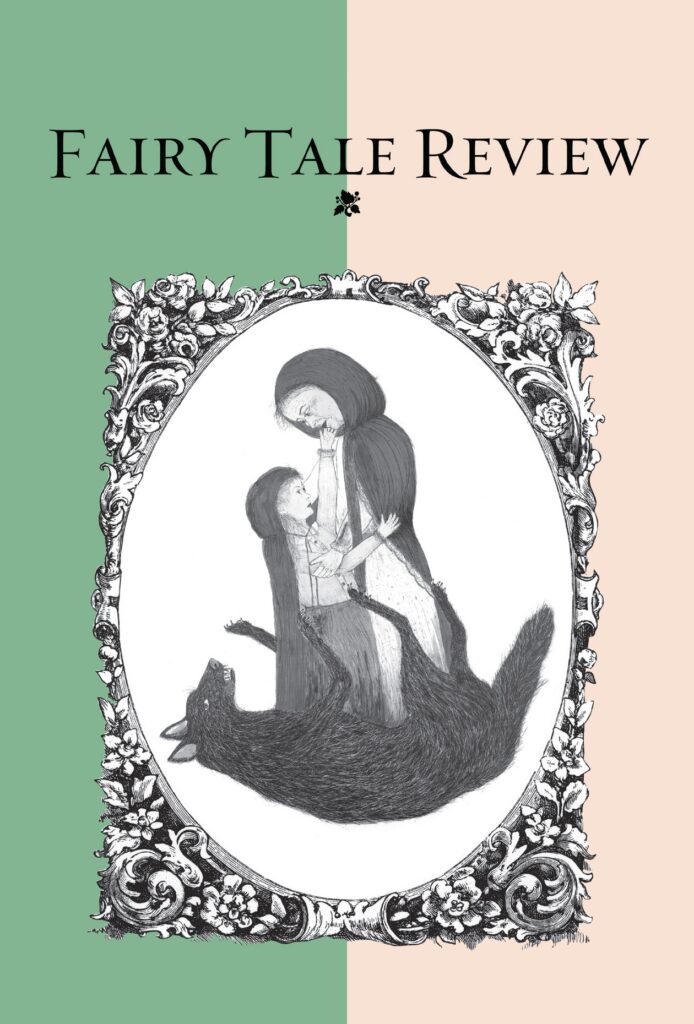
Founded in 2005 by Kate Bernheimer (acquired by Wayne State University Press in 2012) Fairy Tale Review is an annual literary journal where fresh fairy tales splash onto the pages with raw, risky, and diverse angles. After digesting just one edition, it becomes obvious why work from Fairy Tale Review has been selected for inclusion in dozens of anthologies. In keeping with imagery of lush red apples and golden locks of hair, each issue of Fairy Tale Review is given a color-themed name. This literary journal accepts fiction, poetry, and nonfiction.

Launched in 2018 at NonfictioNOW in Phoenix, Speculative Nonfiction is now eight issues deep. Under the wing of editor Leila Philip, this is a journal of nonfiction concerned with the figurative over the literal, ambiguity over knowing, and meditation over reportage. Submissions are tasked with the lofty goal of initiating a new dialogue about the duty a writer has to truth versus fiction. The curated artwork in Speculative Nonfiction adds to each issue’s richness.
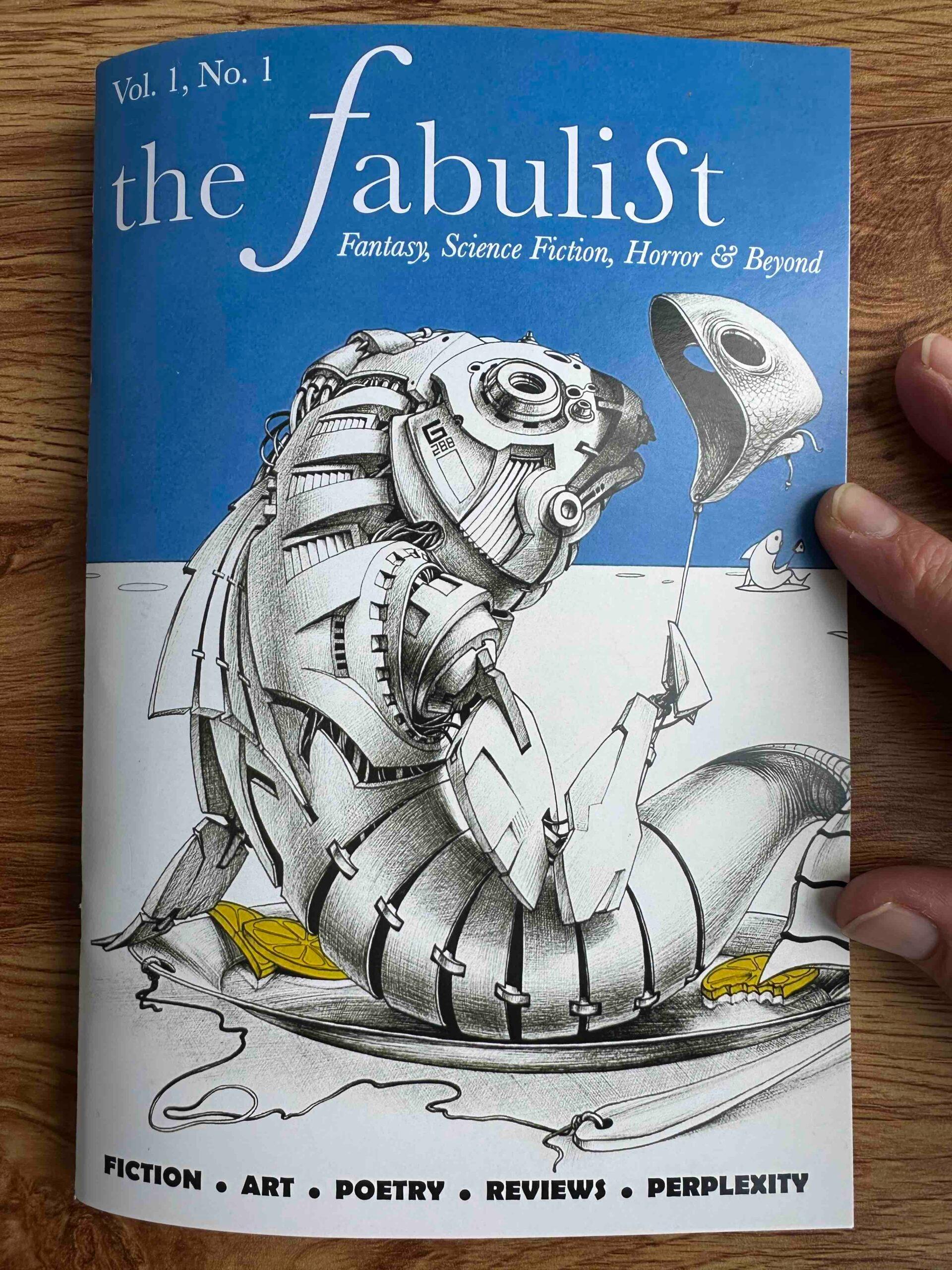
Founded in 2016, The Fabulist Magazine is an online literary journal devoted to contemporary fabulist fiction that blurs the boundaries between the real and the surreal. Publishing short stories that lean into magical realism, myth, folklore, and the uncanny, the magazine showcases emerging and established writers whose work resists strict genre classification. Issues are released on a rolling basis, featuring concise, imaginative pieces that privilege strangeness, emotional resonance, and narrative experimentation. While the magazine’s aesthetic often embraces the whimsical and otherworldly, its stories are grounded in human experience, using the fantastical to explore themes of identity, transformation, and perception.
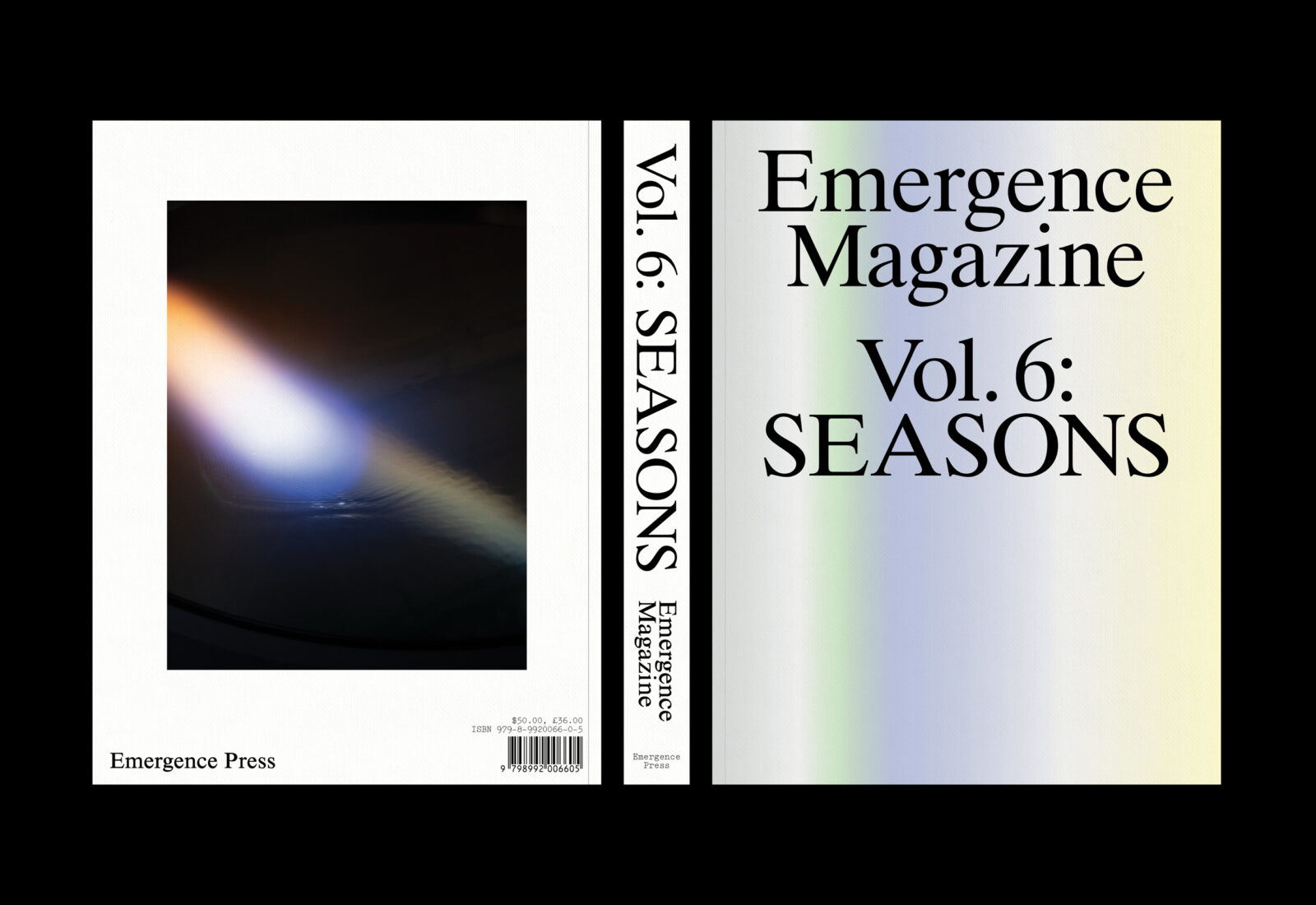
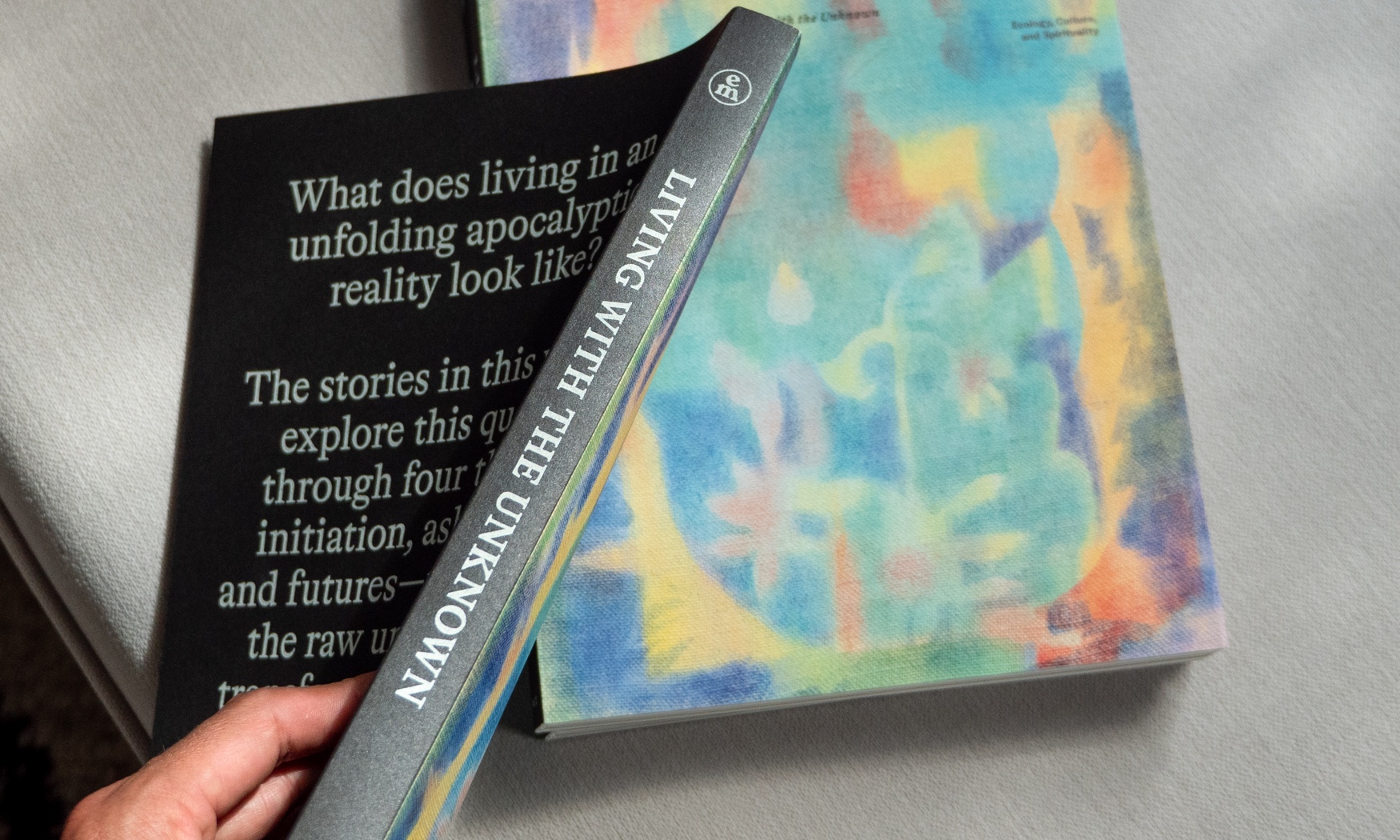
Founded in 2018, Emergence is a mixed-media publication specializing in audio, documentary, essays, fiction, poetry, and visual arts. The annual print edition of Emergence features a collection of essays, interviews, poems, artwork, and photo essays. These are substantial issues featuring several hundred color-filled pages. Some issues even come with soundtracks available as limited-edition vinyl. While themes are generally geared toward ecology, culture, and spirituality, Emergence does leave room for speculative fiction. For example, Volume 4 is dedicated fully to a theme of shifting landscapes that are creating a liminal space where boundaries between humans, animals, landscapes, history, and prophecy are blurred.

Founded in 1982 as the Orion Nature Quarterly, Orion continues to be an important voice in cultivating authentic American writing. While the publication primarily publishes works with a focus on nature, certain editions tilt towards speculative nonfiction. For instance the Summer 2024 Swimming Lessons: Staying afloat in our flooded future edition offered a body of work focused on speculating how mankind might both protect itself from and learn to live with a future where flooding becomes more common.

A well-established pillar on the American literary scene, Conjunctions is a biannual journal founded by Bradford Morrow in 1981 that publishes experimental, genre-defying work, often blending literary fiction with magical realism and surrealism. This prestigious journal is published by Bard College. In addition to being the first (or early) publisher of renowned and award-winning authors like David Foster Wallace, Richard Powers, Ben Okri, Peter Cole, and William T. Vollmann, Conjunctions is also a home for Joyce Carol Oates, Gabriel García Márquez, Margaret Atwood, and John Ashbery. From time to time, pieces pop up from speculative and horror authors like Carmen Maria Machado, Jonathan Lethem, Peter Straub, Kelly Link, and Brian Evenson.

Gramarye is the Chichester Centre for Fairy Tales, Fantasy and Speculative Fiction’s literary journal for folklore, fairy tales, and fantasy. Published since 2012, the winter/summer magazine is adored by both academics and literary lovers. In addition to introducing the world to masterful new folktales from both established and emerging authors, Gramarye features bold scholarly reviews of recently published works in the folktale realm.

Weird Lit is “a platform for the weird and boundless.” They publish quarterly on the solstices and equinoxes, and what they’re looking for in short stories and flash is anything “absurdist, ambiguous, avant-garde, bleak, dark, deadpan, existential, experimental, grotesque, hopeful, horror, humorous, literary, magical realism, noir, psychological, slipstream, speculative, supernatural,” and of course, weird.

Apex Magazine is a bimonthly digital zine that publishes dark science fiction, dark fantasy, and horror short fiction. Each edition offers a well-rounded variety that might include original fiction, flash fiction (micro stories), essays, and reviews. For lovers of “weird” and boundless fiction, Apex Magazine delivers mind-opening works that are as surreal and shocking as they are strangely beautiful.

Augur Magazine was started in 2017 for writing that has “uncommon perspectives, and brings together the often disparate realms of literary and genre fiction.” It’s a publication that embraces the liminal, i.e. stories that blur the boundaries between speculative and realist fiction, with a strong emphasis on inclusivity and representation. The magazine prioritizes voices from Canada and Indigenous communities and seeks work that challenges genre norms by blending literary and genre sensibilities.
Launched in 2000, Strange Horizons is a weekly magazine about speculative fiction that prizes literary depth, innovative storytelling, emotional resonance, and inclusivity. Pieces on their journal include fiction, poetry, reviews, essays, interviews, roundtable discussions, and art. Works published in Strange Horizons have gone on to be recognized by Hugo, Nebula, Sturgeon, and World Fantasy.

A newer arrival among literary reviews, Folklore Review publishes poetry, fiction, nonfiction, and flash (micro) stories seasonally. Folklore Review was born in defiance of the fact that critics claim speculative fiction lacks the quality of realism. An anti-gatekeeper publication, this magazine welcomes stories with gnomes, fairies, fauns, and other surreal and magical entities alongside more grounded-in-reality pieces.

WITCH Magazine is “a global feminist magazine redefining what it means to be a feminist, and a witch.” Promising new perspectives on art, social justice, fashion, lifestyle, and entertainment, WITCH aims to reimagine the “witch” archetype through a modern feminist lens, empowering storytellers to disrupt the status quo. This biannual and global magazine will launch its first issue this Spring, so keep an eye on their website and get ready to join their coven!

Rooted in surrealist art and hybrid writing, Suburban Witchcraft Magazine is ideal for readers who never know what will lie on the next page. Suburban’s issues are as diverse in their cover art as in their content: from collage art to speculative fiction short stories, every kind of artist and writer is represented across this magazine’s (digital) pages. The best part: every issue is free and accessible to read online. Experience the magic of these pages here!

Specializing in short speculative texts, hex literary publishes tiny pieces of magic on their website (and snippets on their Instagram) on a weekly basis. Work published by hex has received numerous awards and honors, including recognition from Speculative Fiction: A Writer’s Guide and Anthology, Wigleaf, and Best of the Net 2026. Their editing team comprises literary professionals from academic and creative backgrounds, so the utmost care is given to the pieces selected for publication. Utilize their “indhex” (index) on their website to discover all speculative pieces published by their team!

Raven Review Magazine is an indie literary magazine specializing in dark poetry and short fiction. With over 600 writers to their name, Raven Review is building a diverse literary community for readers and writers with a penchant for the dark. Inspired by Edgar Allan Poe’s infamous poem “The Raven,” the Raven Review team seeks to publish “both seasoned and newbie writers with the explicit goal of helping them gain exposure.” Their submissions are currently open for the summer 2026 digital issue, so be sure to read their latest issue and submit your work!

Readers and writers of dark speculative fiction will love Seize The Press, an “anticapitalist genre mag” publishing horror, dark fantasy, science fiction, and anything transgressive. They are especially interested in publishing work from writers who are BIPOC, queer, disabled, or underrepresented in the publishing industry. With their latest issue containing works like “Tabula Rasa” by Amy Kitcher and “The Coffinmaker” by Jude Kar, there is something for every genre bender to love from Seize The Press. Read their issues here!

The mission behind The Colored Lens is simple: “showcase stories that shift our perspective on the world, through the far-reaching genre of speculative fiction.” By prioritizing this and finding work that incorporates strong characters and plot, The Colored Lens has built a home for speculative fiction writers that has withstood the test of time – their first issue came out in 2012! From dark fantasy to science fiction, this magazine is looking to expand its ever-growing literary universe, so submit your work of less than 10,000 words to them. Check out their latest issues to see how diverse speculative fiction can be!

While focused on modern writing for our modern times and not a particular subgenre, Witness Magazine is a fantastic resource for readers and writers alike to get a sense of how artists are responding to our current culture, which can influence your own work! Their mission is to publish “original fiction, nonfiction, poetry, and artwork that is innovative in its approach, broad-ranging in its concerns, and bold in its perspective. The magazine blends the features of a literary and an issue-oriented magazine to highlight the role of the modern writer as witness to their times.” Witness was founded in 1987 and has stayed committed to achieving these goals ever since.

Inglenook Lit is an online literary magazine for magic enthusiasts and enchantment seekers
Copyright © 2021-2026
Inglenook Lit LLC

