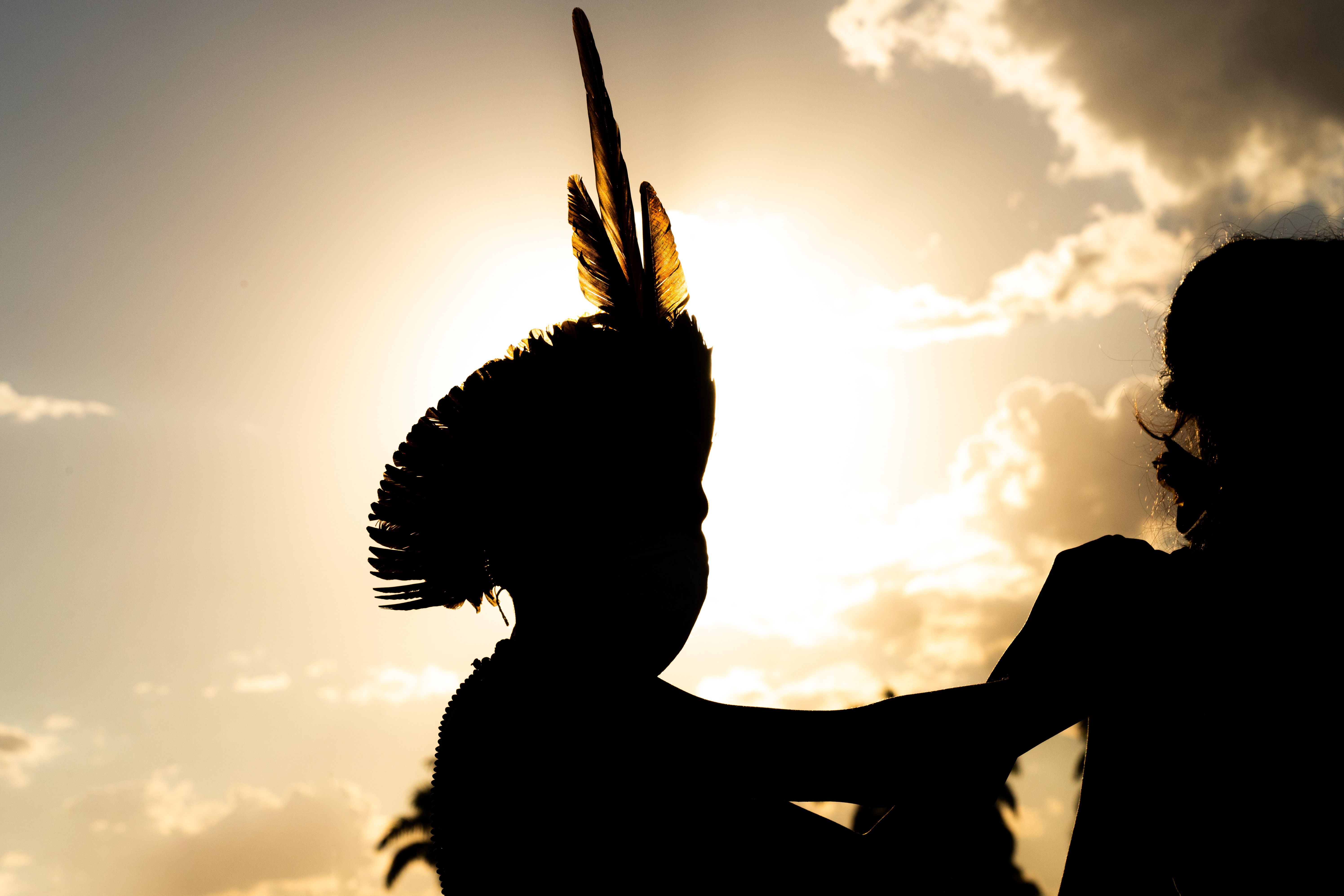
As November is National Native American Heritage Month, Inglenook wanted to celebrate an aspect of Indigenous culture that the mainstream doesn’t talk about. Spirituality is an integral part of Indigenous tribes’ daily practices, from prayers to exchanging wisdom through storytelling. It can also be deeply misunderstood by those who are not Indigenous, meaning those who wish to learn more about these practices with respect need Indigenous voices to turn to now more than ever. Here are Inglenook’s picks of books on Indigenous spirituality for spiritual practitioners of every background. There’s wisdom everywhere for those who seek it.

This fantastic title from Broadleaf Books made the Lakota People’s Law Project Decolonized Reading List for 2025. In Becoming Kin: An Indigenous Call to Unforgetting the Past and Reimagining Our Future, Western ideology is decentered from history. Instead, Anishinaabe writer Patty Krawec offers a decolonized account of her ancestors coming into their power, and how their ways of living propelled her to find her own. Krawec urges us to reap from the old ways of kinship and creation to help us imagine a future where we are spiritually, physically, and emotionally free. She asks, “What would it look like to remember that we are all related? How might we become better relatives to the land, to one another, and to Indigenous movements for solidarity?” As spiritualists, practitioners of magic, and witches, we must not forget that our power doesn’t come from working alone. Together, we can retrace our steps and gain back what was lost along the way: “chances to honor rather than violate treaties, to see the land as a relative rather than a resource, and to unravel the history we have been taught.”

If there’s one thing Asha Frost wants readers to take away from her book, it’s that the spiritual healing you’ve been looking for, the medicine no store can sell, lies within. With a degree in Psychology and Homeopathic Medicine and experience guiding thousands of people on their own healing journeys, Frost offers guidance on how to utilize ancient wisdom in our modern lives through ceremonies, storytelling, and Shamanic journeys, while still being “respectful and conscious of the stolen lands, lives, and traditions of Indigenous peoples.” From meeting your Ancestral guides to releasing fear to thrive, Frost’s guidance will teach readers how to access the medicine within them and use it in life.

To the Ojibwe, spirituality is not just something you believe in – it is something you live. Anthony Reynolds’ guide to this approach to Ojibwe spirituality in Exploring Ojibwe Spirituality: Traditions, Teachings, and the Sacred Way of Life teaches readers how to see their spiritual practices “not as abstraction, but as practice.” To accomplish this, readers will learn the meaning of the Medicine Wheel and the teachings of the Four Directions, the roles of healers and elders in preserving sacred traditions, and how Ojibwe survived colonization to thrive in the modern world. Reynolds’ guide is an intimate journey into a new kind of spiritual awakening, one that is rooted in sacred knowledge and healing.

For readers seeking a comprehensive guide to the symbols and teachings woven into Indigenous spirituality, Ethan Stone’s North American Gods is the text for you. Like Inglenook’s other recommendations, North American Gods teaches readers to connect with the sacred through ceremony and ritual, but also explores the meanings of animal spirits, herbal medicines, and the power of dreams and visions. As Stone promises, this book offers “a transformative experience, bridging the gap between ancient wisdom and contemporary life, inviting you to embrace a more harmonious relationship with nature and the spirit world.” Ask yourself: what is your relationship to nature? How do you respect and honor the natural world? What does your spiritual practice empower you to do? What doesn’t? Studying the teachings of Indigenous spiritualists may offer some answers. Stone’s guide is a powerful way to start.

This collection of essays offers an intimate knowledge of various religions, including Indigenous religions, from around the world by putting the voices of these religions at the forefront. Editors Timothy Sisemore and Joshua Knabb arranged to have each chapter written “by a psychologist who practices–or is culturally connected with–that religion. This marks the book’s unique contribution to the field: it is the product of people who have lived the world’s religions, not merely studied them.” Analyzing different religions is one thing, but learning to appreciate different religions with respect is another. This collection of essays offers an academic approach to honoring spiritual beliefs and practices outside Western teachings, making it more accessible for all spiritual practitioners and readers to teach and engage with what they learn.

As a Choctaw elder and spiritual explorer, Steven Charleston seeks answers to universal questions in his daily prayers. Why am I here? Where do I belong? Where am I going?: Choctaw finds the answers to these questions and more from Spirit, which he explains in Spirit Wheel: Meditations from an Indigenous Elder. His book is a collection of more than two hundred meditations from his daily spiritual practices, introducing readers to the Spirit Wheel and the Four Directions of Native spirituality (tradition, kinship, vision, and balance). To Choctaw, the Spirit Wheel is key in restoring our balance to the Earth and each other: “We are all on that ever-turning wheel, Charleston says–all of creation, people and animals, rocks and trees, the whole universe. Together we can turn toward the wisdom of our ancestors, kinship with all of Mother Earth’s creatures, the vision of the Spirit, and mindful balance of life.” No matter what your spiritual background is, this Indigenous wisdom is invaluable to every practitioner seeking worldly guidance.

Sherri Mitchell’s Sacred Instructions: Indigenous Wisdom for Living Spirit-Based Change draws from her experience as a lawyer, Penobscot leader, and activist to provide actionable ways for spiritual beings of all backgrounds to change the world with their practices. Mitchell confronts the crises of our modern world – colonial extraction, environmental injustice, and disconnection – and how Indigenous teachings and tools can allow us to begin the work of solving them. With gifts and insight from the Penobscot Nation, she asks us “to look deeply into the illusions we’ve accepted as truth—but which separate us from our higher minds, each other, and the earth.” Peter Levine, author of Waking the Tiger, Healing Trauma, called this book “profound and inspiring.”
Alexandra Rae is a feminist writer, editor, and revisionist from Ohio. She is a submissions reader for Narratively and editorial assistant for Brink Books. Find her on Instagram @theresonationofalexandra.

Inglenook Lit is an online literary magazine for magic enthusiasts and enchantment seekers
Copyright © 2021-2026
Inglenook Lit LLC

