
If you've heard of the Wheel of the Year, but never known what it is or how to follow it, this is your guide. In Wiccan and pagan tradition, the Wheel of the Year is a cycle of eight seasonal festivals or "sabbats" that mark the changing seasons. The sabbats are split between four solar festivals and cross-quarter or between-season celebrations which all roughly fall in the categories of planting, growing, harvesting, and resting. Integrating astronomy and myth from Celtic, Norse, and Germanic traditions, the Wheel of the Year festivals offer opportunities to connect with the natural rhythm of the year. Here's an overview of 2026's calendar and what each sabbat symbolizes:
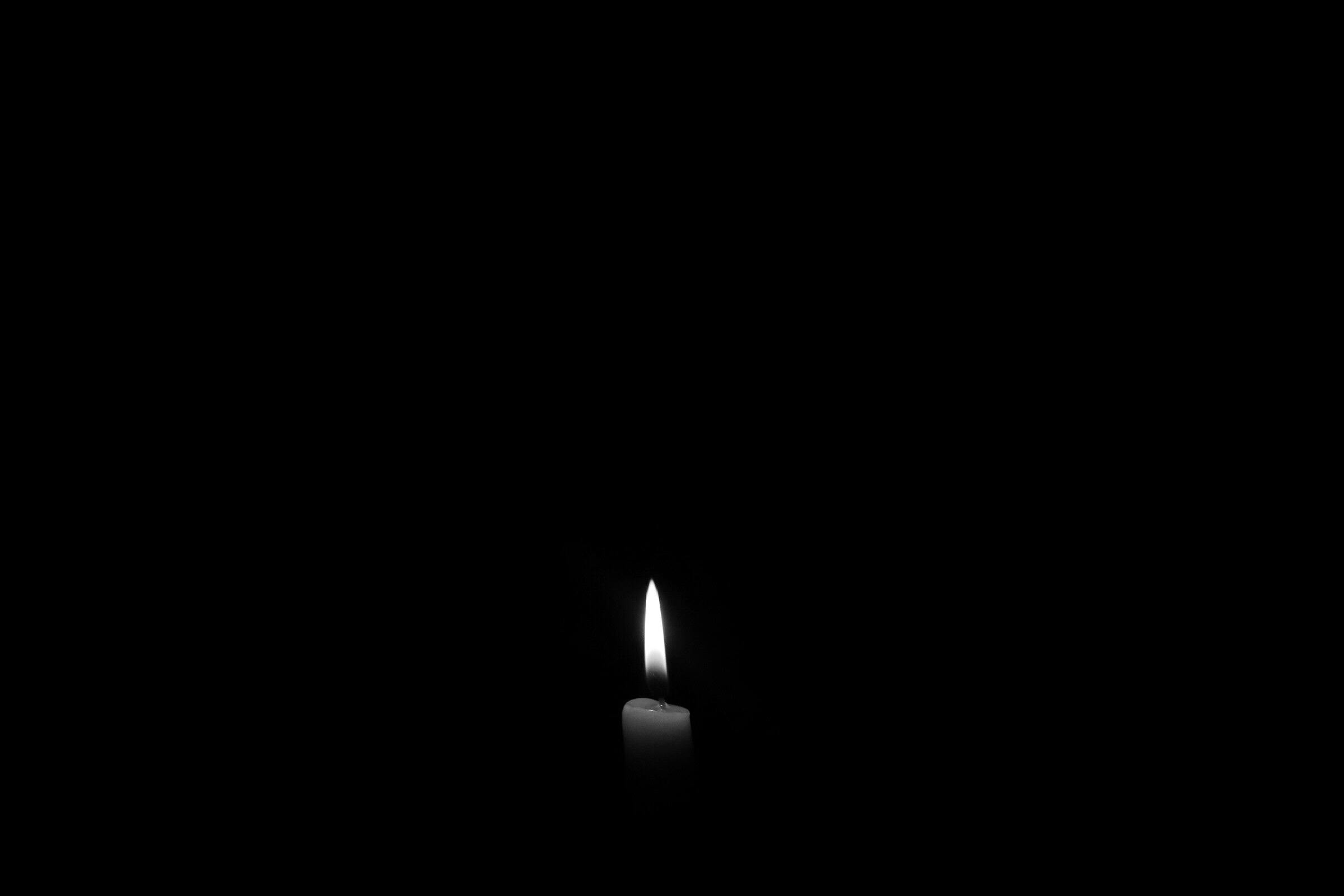
"The spark in the dark" offering brightness during what can feel like a dark and dreary time of year, Imbolc is a pagan festival that marks the halfway point between the winter solstice and spring equinox. Reminiscent of Yule celebrations that are celebrated a few months earlier in December, Imbolc activities often involve bonfires or candlelight that serve as reminders to look forward to the light. It's a great time to cultivate inspiration, set intentions, and make changes that focus on new beginnings.
Imbolc Book Picks: Imbolc: Rituals, Recipes & Lore for Brigid's Day by Carl F Neal and Imbolc: A New Beginning by Jai Krishna Ponnappan and Kiran Atma.
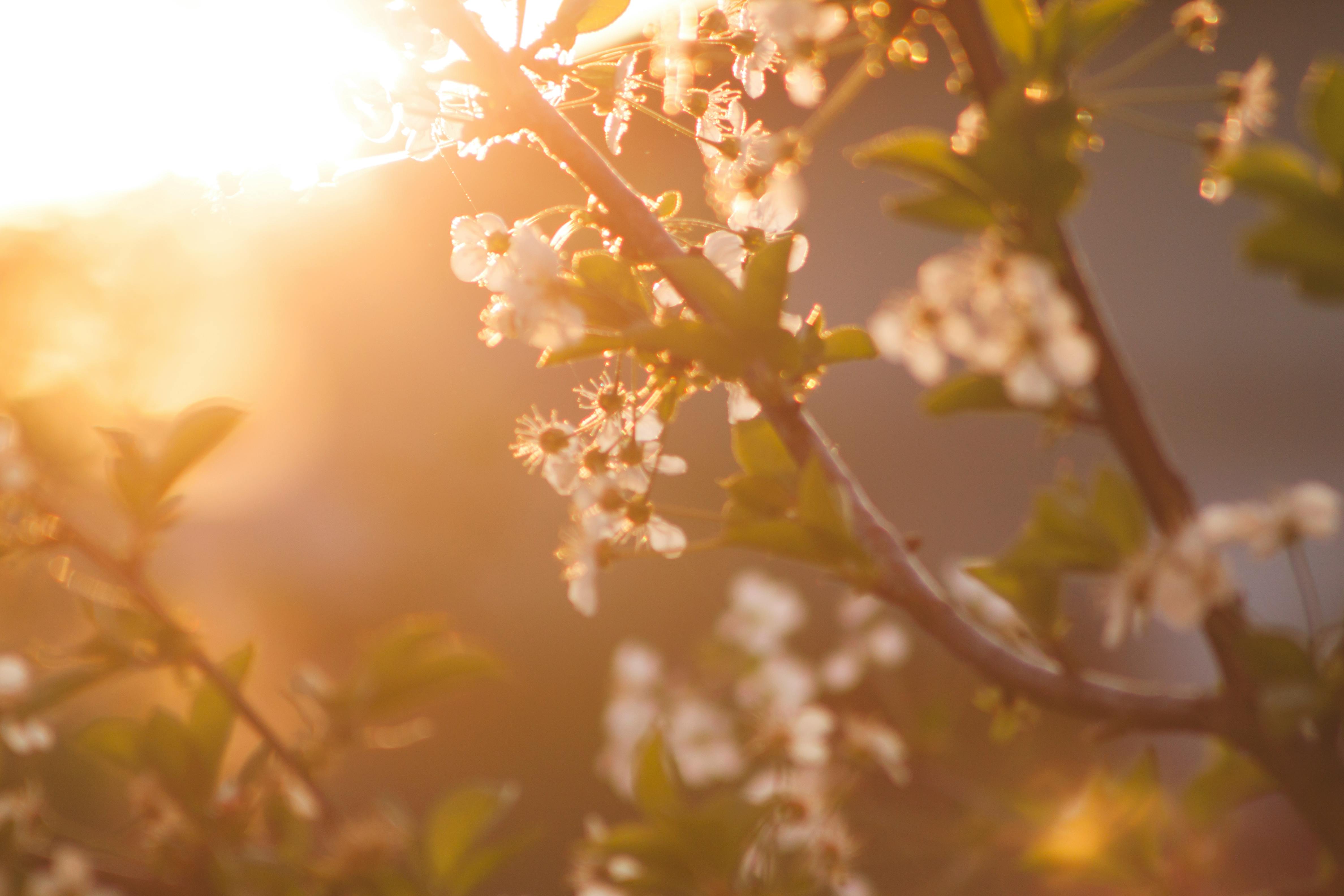
Ostara is a celebration of balance and beginnings: fertility and the arrival of spring. It is the balance of day and night, when planting begins. In addition to looking forward to the growth period ahead, this is also a time to revel in the return of longer daylight.
Ostara Book Picks: Ostara Guide: Rituals and Celebrations for the Springtime Sabbat by Robin Ginther Venneri and Northern Hemisphere Ostara by Raymond Hurn and Dyrk D'Raven.
This festival of fertility and fire is all about the blossoming of life and the arrival of summer's warmth and vitality. In European cultures, Beltane is the time to dance around the maypole or light bonfires late at night. Occurring right at the halfway point between spring and summer, it offers joy, optimism, a sense of renewal, and the purity of fresh beginnings. It's also a celebration of passion, creativity, and fire, the time to let loose and express inner wildness.
Beltane Book Picks: Beltane by Jena Doyle and Before Beltane by Nancy Jardine.
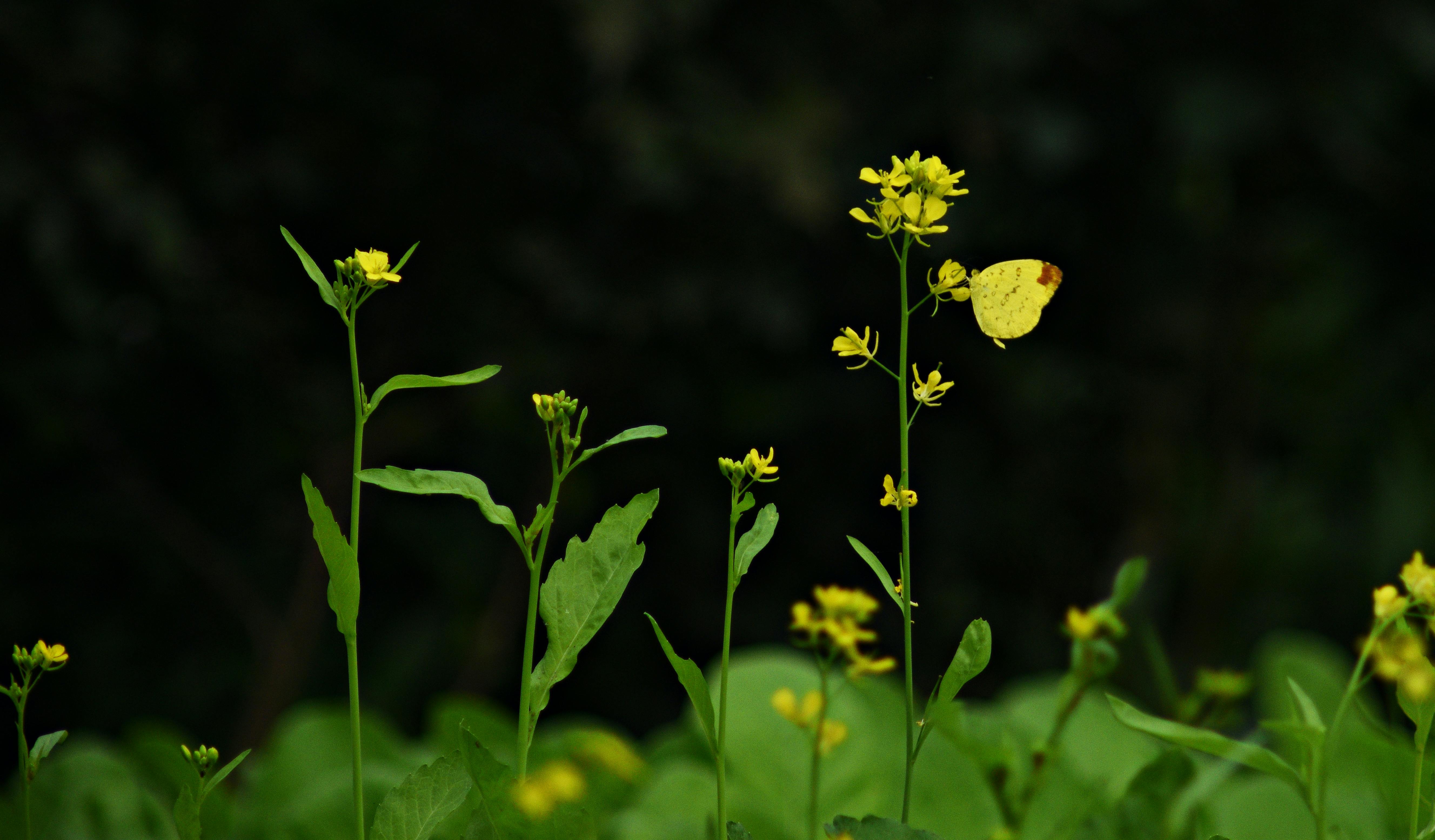
Litha is a celebration of the longest day of the year. In many cultures, the festival is given the official name of Midsummer because it marks the "midnight" period of summer when days are about to become shorter. Midsummer celebrations are, like other sabbats, all about celebrating light, burning fire late into the night to reflect on the harnessing of the season's bright energy. Litha is about abundance and vitality.
Litha Book Picks: Northern Hemisphere Litha by Raymond Hurn and Dyrk D'Raven and Litha: A Love Story by Kenneth Mark Hoover.
Lughnasadh (pronounced LOO-nah-sah) marks the beginning of the harvest season and focuses on gratitude, community, abundance (like Litha), and sacrifice--honoring the labor that has gone into the "harvest," whether symbolic or literal, and giving thanks for your bounty. This is a fun "food" festival that often features tons of bread, baked goods, and fresh berries. Overall, it's seen as both a celebration of thankfulness for the present harvest and a time for mental preparation for the dramatic shifting of the seasons on the horizon.
Lughnasadh Book Picks: Dancing at Lughnasa by Joan Fitzpatrick Dean and Lughnasadh: Lammas Sabbat Celebrations of Old and New Traditions for the Season of the Harvest by Robin Ginther Venner.
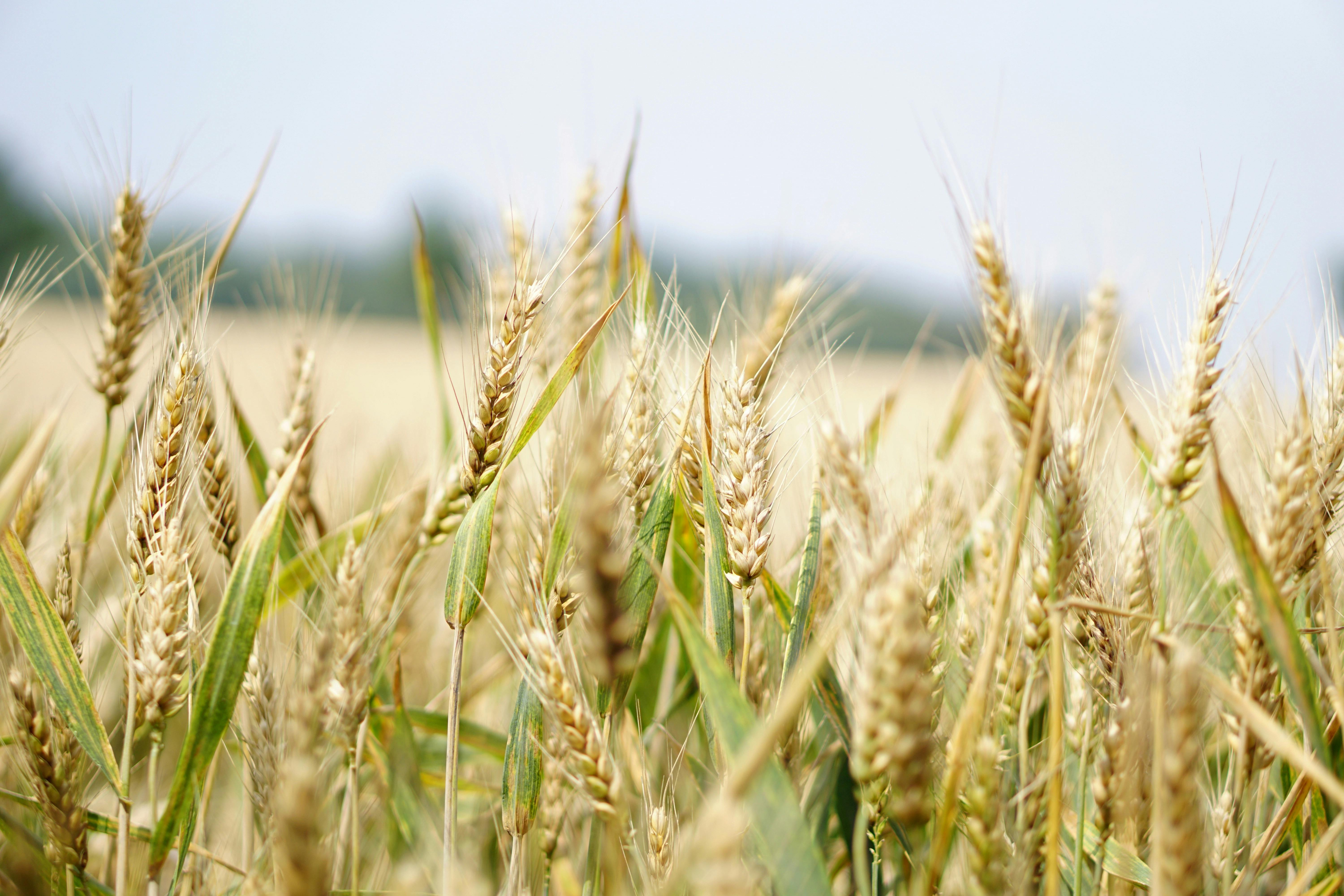
This celebration focuses on the balancing of dark and light as the days begin to shorten once again. In thanks for the harvest, partakers generally enjoy desserts and foods made with apples, pumpkins, and other traditional fall vegetables and fruits. This is also a time for personal reflection, release, and preparation.
Mabon Book Picks: Mabon: The Ultimate Guide to Autumn Equinox and How It's Celebrated in Wicca Druidry, and Paganism by Mari Silva and Celebrating Autumn Equinox: Customs & Crafts, Recipes & Rituals for Harvest, Sukkot, Mid Autumn Moon, Michaelmas, Eleusinian Mysteries & Other Autumn Holidays by Waverly Fitzgerald.
Coinciding with All Hallow's Eve / Halloween, this moody, ethereal festival marks the shift to the darker half of the year. While celebratory, it has a darker, slightly somber tone compared to spring and summer festivals. In many pagan cultures, there is a belief that Samhain is a time when the veil between this world and the next thins out, and the Otherworld comes out to play.
Samhain Book Picks: Halloweird: Classic Stories from the Season of Samhain by Johnny Mains and The Book of Halloween Origins, Folklore, and Traditions of Samhain by Ruth Edna Kelley.
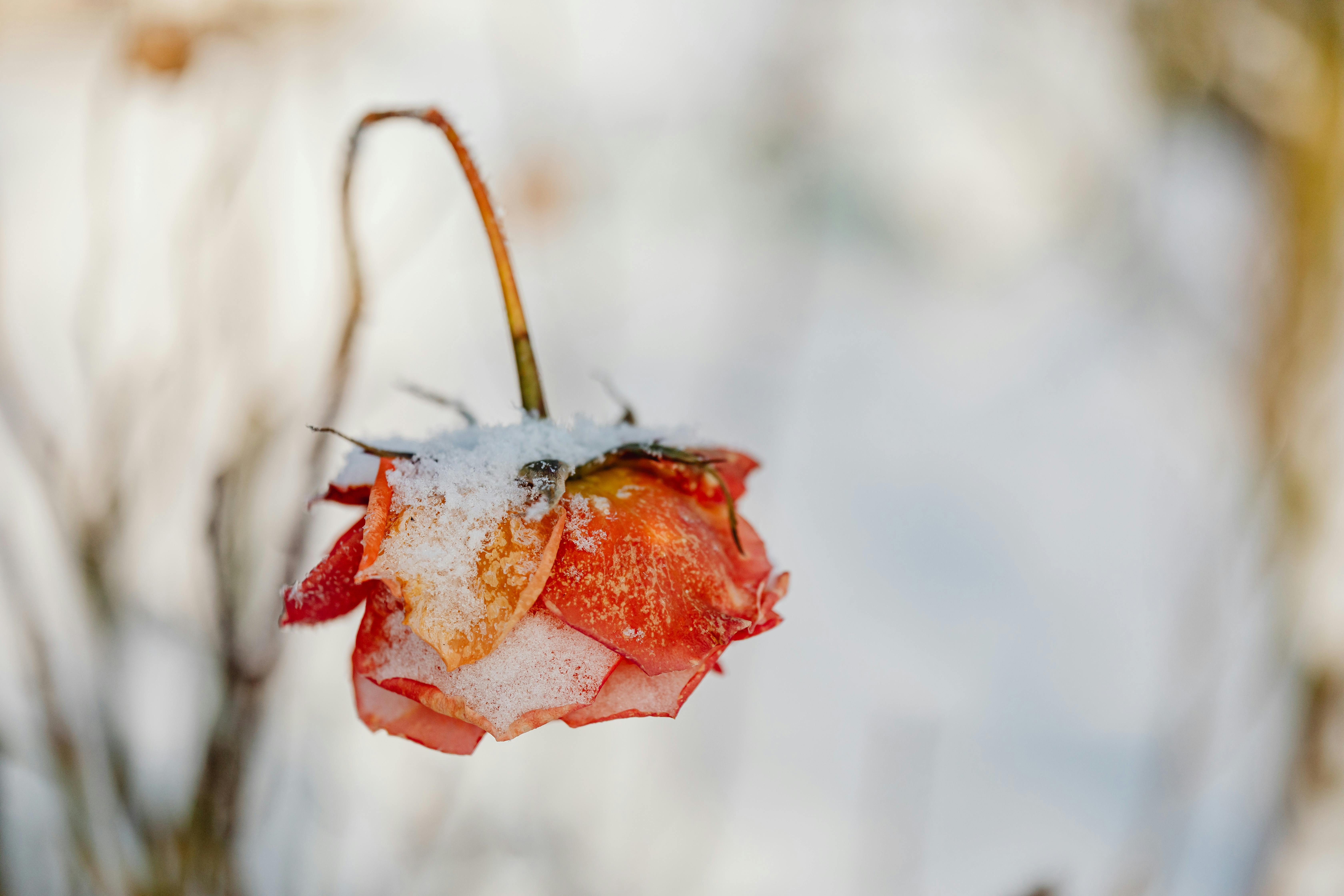
Marking the shortest day of the year and the longest night, Yule is about hope, stillness, renewal, and rebirth. With roots in Norse and Germanic culture, this festival actually lasts longer than a week: In ancient times, a Yule log was burned for 12 days. Much like Christmas, part of Yule tradition is to decorate evergreen trees and wreaths with colorful bulbs and berries to symbolize the idea that life endures through the harsh, colorless winter. Though winter may feel long and dark, the Winter Solstice marks the beginning of the rebirth of the sun.
Yule Book Picks: Krampus: The Yule Lord by Brom andYule: A Celebration of Light and Warmth by Dorothy Morrison
However you choose to keep track of the year

Inglenook Lit is an online literary magazine for magic enthusiasts and enchantment seekers
Copyright © 2021-2026
Inglenook Lit LLC

