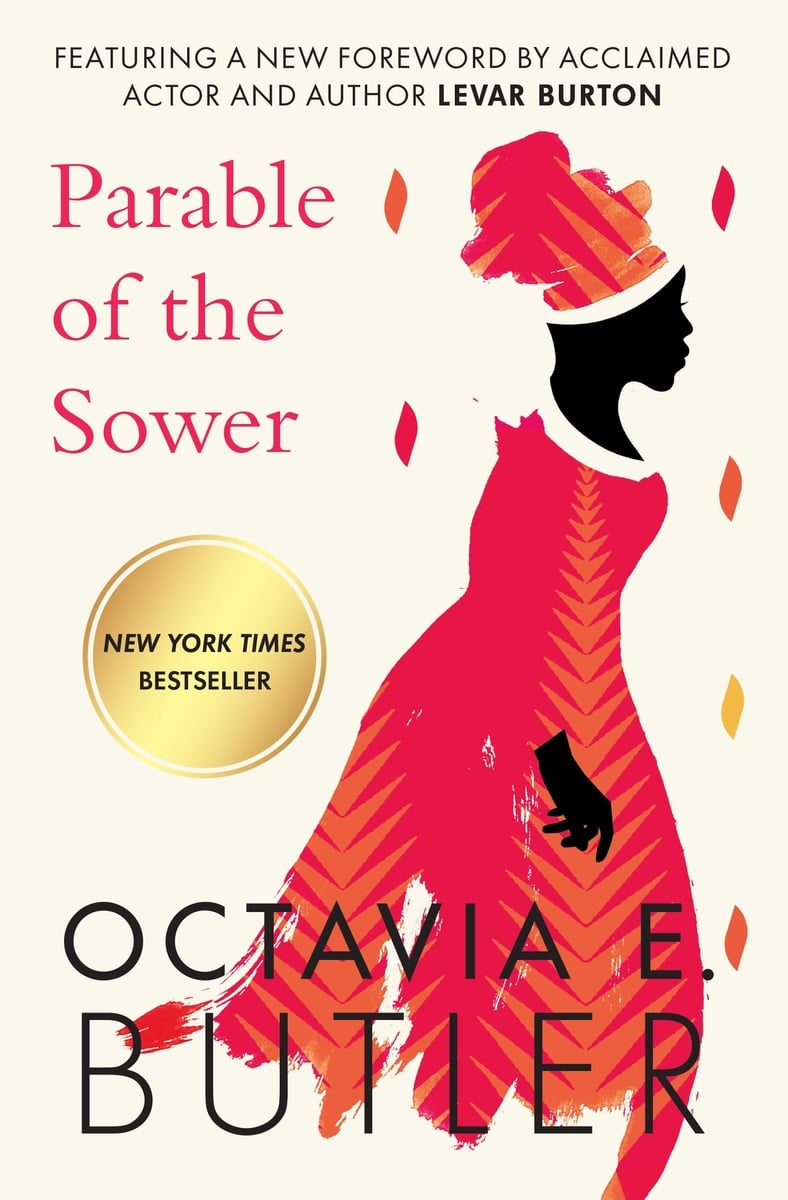
This past fire season was a horrific, almost cinematic moment as the West Coast glowed with smoke and blazing canyons. The sky smoldered as arson, wind breaks of eucalyptus, and the Santa Ana’s whipped up a horrible wave of orange heat that descended the hills. Local news reports advised Californians to evacuate, to prepare, to write their names and phone numbers on their arms and animals. What makes this even eerier is that Octavia E. Butler’s Parable of the Sower, a 1993 book set in 2024, somewhat “predicted” the fires that enveloped the American West this past year.
Butler’s narrative warned of a frighteningly similar disaster unfolding in her fictional, but equally “dry-as-straw southern California.” In her genre-defining book about escaping an unraveling inferno of an apocalypse, we follow a young woman called Lauren. Initially, she lived in a walled town of sorts with her family, a supposedly protected fortress. From the beginning, though, Lauren doubts their safety. Painted as an alarmist, discredited and dismissed for her girlish wariness, Lauren is labelled overreactive for gathering gardening supplies, tools, and equipment she predicts survivors will need in their uncertain future.
She studies constantly, wanting to gather stories and knowledge to not only escape the coming inferno, but to survive after the chaos. Lauren teaches herself to identify the constellations from her grandmother’s astronomy book. She surfs the internet. She wants to understand tinctures, herbalism—solutions that predated hospitalizations, surgical intervention, and modern medicine. A witch-like figure, Lauren builds a small library on surviving the wilderness, handling medical emergencies, and growing native and naturalized plants. She even collects information on building log cabins, raising livestock, cultivating crops, and making soap. When the safety of her walled community is predictably shattered, and fires push ever closer, Lauren watches the destruction on television. She watches Los Angeles burn.
In The Sower, it’s not just the dry-as-straw environment spreading the fire, but also arsonists intoxicated by a new drug that makes watching the flames a euphoric experience. Originally designed to treat Alzheimer’s, the drug is called Blaze, Fuego, Flash, Sunfire, or most commonly Pyro, short for pyromania. News of Pyro and the “firebugs” spreads through the media, causing Lauren to comment, “I don't know whether the reporters are condemning it or advertising it.” Ironically, perhaps expectedly, the 2025 Palisades Fire has also been linked to arson.
Despite CAL FIRE’s battalions of helicopters and planes full of fire retardant, our predicament feels as fragile as Lauren’s. The recent wildfires have been some of the most destructive and deadly in Californian history. However, like Butler’s characters, the West Coast is resilient; from surfers to citrus farmers, they are educating each other on what to do when in the path of destruction and how to come back together after. Neighbors collected neighbors in their cars in the early hours before the fire turned Altadena to ashes. In pajamas and slippers, they headed for relief shelters and the houses of relatives, moving towards whatever safety is offered. In the morning, as the smoke cleared, they were met by volunteers with food, clean supplies, water, and in many cases, hope. In The Sower, Lauren and the other survivors fight the fires “with garden hoses, shovels, wet towels and blankets. Those without hoses beat at the edges of the fire and smothered them with dirt.” Whether or not it was enough, this fight is evidence of their collective strive to survive. For though the flames raged, “there were a lot of us, and we kept our eyes open.”
Zoe Grace Marquedant (she/her/hers) is a queer writer. Her work has been featured in Fruit Slice, Butter Magazine, In the Mood, and elsewhere. She is also a columnist and contributor for Talk Vomit. Read more of her work at: zoegrace.uber.space.

Inglenook Lit is an online literary magazine for magic enthusiasts and enchantment seekers
Copyright © 2021-2026
Inglenook Lit LLC

