
Ghosts are, by far, the most versatile of the creatures who stalk English literature. In a clever writer’s hands, a specter can travel through time, remember the long-forgotten, revive long-dead secrets, all while bringing dread to the current narrative and its characters. But not all hauntings require ghosts--sometimes a deity or non-human entity will do. The following novels by female authors share an interest in using ghosts or a general sense of hauntedness to examine women's relationships, trauma, and resilience.

Against the backdrop of the imposing Appalachian Mountains in the 1980s, Alisa Alering’s Smothermoss is a haunting tale that takes inspiration from all the best scary stories. From its unsettling atmosphere down to the disturbing details, Alering writes her two female protagonists with conviction, leaving the reader utterly entranced by their increasingly complicated relationship.

By far the shortest entry on this list, what Bound Feet lacks in length in more than makes up for in terror. Kelsea Yu’s novella about a grieving American mother explores a long history of female subjugation in China through the ghosts she brings back to life in her narrative. The pace of Yu’s storytelling is break-neck, ensuring the twist ending hits its reader at full force.

Claustrophobic and isolated, Daisy Johnson’s Sisters is a novel fixated on an especially dark sibling dynamic. July and her sister September, born only ten months apart, navigate the world and all its tragedies in tandem. Yet as their relationship begins to change, they begin to push against the limits of ‘normal’ and ‘acceptable,’ challenging July’s understanding of herself, her sister, and forcing her to come to terms with the past and present.

From bestselling author Hilary Mantel, Beyond Black is an ambitious story about so many things that it can be difficult to discern where the story is going. Between the spiritual communications of a real-life psychic, the toxic relationship she has with her assistant, and the bleak, desperation of an English suburb, Mantel takes her reader on a dire journey. The horror of the novel is only outpaced by the vividity of Mantel’s writing.

Freshwater is an autobiographical fiction novel of alternating perspectives, and only one is human. The book is a stunning, insightful weave about living with a fractured self. Ada, our protagonist, is born in Nigeria still attached to the spirit world, which leaves the door open for deities to make a home in her mind. When a traumatic event in young adulthood brings these alternate selves further to the forefront, Ada becomes subject to the powers of the spiritual realm, and must evolve to embrace the nonbinary nature of her identity. Reading this mythological coming-of-age dreamscape is like riding a current through the multiverse.

Rachel Harrison’s Play Nice is a classic tale of an inherited haunted house with a modern twist examining mother-daughter relationships, dysfunction, and content creation. Our protagonist, Clio, sees the home that plagued her mother until death as the perfect opportunity to create some home renovation content to further her influencer career. The resulting aftermath is a campy, fun horror story with some clever observations for its readers.

This list simply wouldn’t be complete without Shirley Jackson’s The Haunting of Hill House. If you love ghost stories with complex, intriguing female protagonists and somehow haven’t read Jackson’s classic novel, it should absolutely be your next read. Her writing has inspired a generation of horror writers – everyone from Stephen King to Carmen Maria Machado – and she will certainly inspire you to sleep with the lights on after reading.
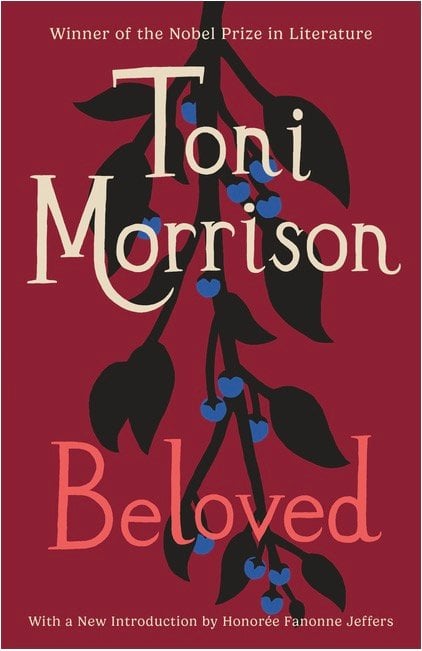
The only title that could follow The Haunting of Hill House is Toni Morrison’s Pulitzer Prize winning book Beloved. This dark, complex novel draws on the residual trauma of slavery as the source of inspiration for its haunting. Morrison does not shy away from the impact of enslavement – physical, emotional, and familial – when writing her characters and the conflicts they face. The resulting book is momentous, revealing truths about America’s past that no textbook can touch.
Claire van Doren holds degrees in English literature and journalism as well as a certificate in LGBTQ+ studies from Arizona State University. She is a volunteer reader for Uncharted magazine, a publisher of genre fiction. Her writing has been published by Inner Worlds, Zocalo Public Square, and ASU News.

Inglenook Lit is an online literary magazine for magic enthusiasts and enchantment seekers
Copyright © 2021-2026
Inglenook Lit LLC

