It was stories of the ancient past that first drew me to Celtic witchcraft.
I was halfway through my final year of university when I read about the Menai Massacre for the first time. A Roman-led attack on the island of Anglesey which was, at that time, a major druid stronghold. Countless men, women and children were slaughtered by the invaders, and their practices and beliefs died with them.
It piqued my interest, to say the least. There seemed to be an air of intrigue surrounding this funny little island I had visited once or twice with my grandmother and grandfather. It has gone by many names over the years, including but not limited to: Ynys Dywyll (Shady or Dark Isle), Ynys y Cedairn (Isle of the Brave), and Môn Mam Cymru ("Môn, Mother of Wales"). With its enchanting aura and mysterious reputation, I wasn’t entirely surprised to learn that it had once been a mecca for mystics.
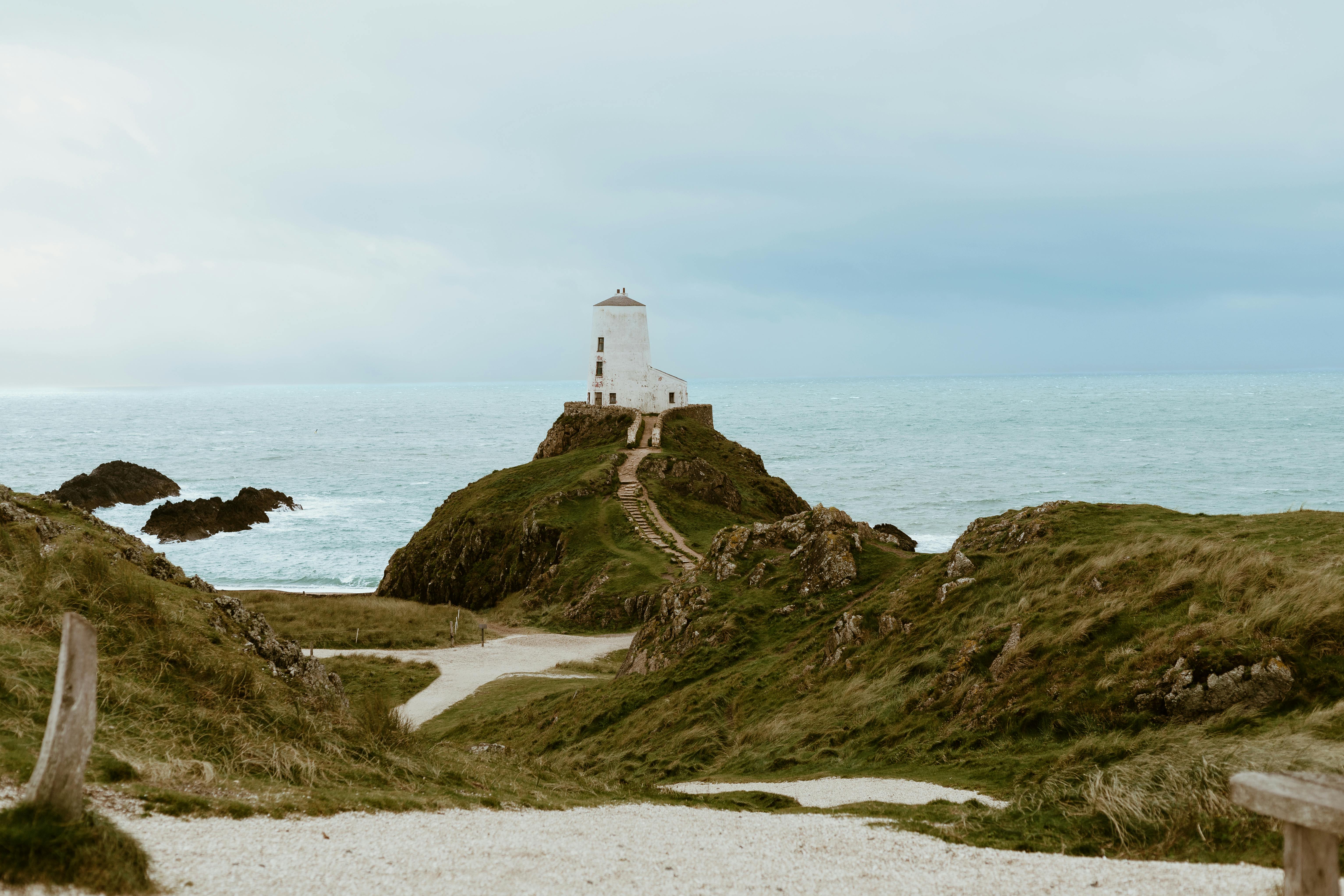
I desperately wanted to know more about the druids on Anglesey, but as the saying goes, history is generally dictated by the victors. As such, there is little to go on. What we do have, however, is an account written by the Roman historian Tacitus. While reading it I was struck by his description of the druids as “women in black with dishevelled hair (...) raising their hands to the sky.” It was provocactive, and resonated with me in a way that most military history did not.
I thought these women seemed incredibly brave to face an invading army armed with nothing but their own sense of belief. The fact that they failed to repel the Romans was neither here nor there to me. I wondered what kind of society could have created women so sure of themselves and their inner power, that they felt they could take on an entire army by themselves.
They must have been confident in their identity as women, as Celts. Things that I had (and still am) struggling with. I therefore set out to emulate them, in the hopes that one day I might have the self-confidence to take on the world as they did. This naturally led me down the path of Celtic witchcraft.
The term ‘Celtic witchcraft’ refers to a modern form of witchcraft that draws inspiration from the ancient Celtic past. As it is an umbrella term, Celtic witchcraft can refer to any kind of magical practice that has its roots in the history and mythology of any of the Celtic nations. However, given my background, this piece will be about my own experiences with Celtic witchcraft, which has largely been framed by my Welsh heritage.
In order to establish what Celtic witchcraft is, it is also important to explain what it is not. Celtic witchcraft is not:
There is an almost endless variety of ways in which to practice Celtic witchcraft, and the following list is by no means comprehensive. These are just a few ways I like to engage in the craft.
Without the toil of those who came before us, we would not be where we are and who we are today. That’s why I like to embark on little pilgrimages to sites of personal and spiritual importance, to give thanks to my ancestors. For example, I often visit the Great Orme in Llandudno, Wales - with its steep clifftops overlooking the Irish sea, it’s the perfect place to reflect and leave offerings for the dead. At the Great Orme’s summit is a quarry slope, known locally as the ‘Hill of Names’, named as such because it is tradition for visitors to arrange loose stones into shapes and symbols, or to spell out the names of deceased loved ones. Though this is not an inherently magical practice, it certainly has spiritual appeal. It is a way of physically engaging with the land, reaching across the threshold between the worlds of the living and the dead. And the Great Orme is an apt place to do so, as it is considered to be what is referred to as a ‘thin place’ in Celtic mythology, a place where the veil between the physical and spiritual planes is naturally thinner.
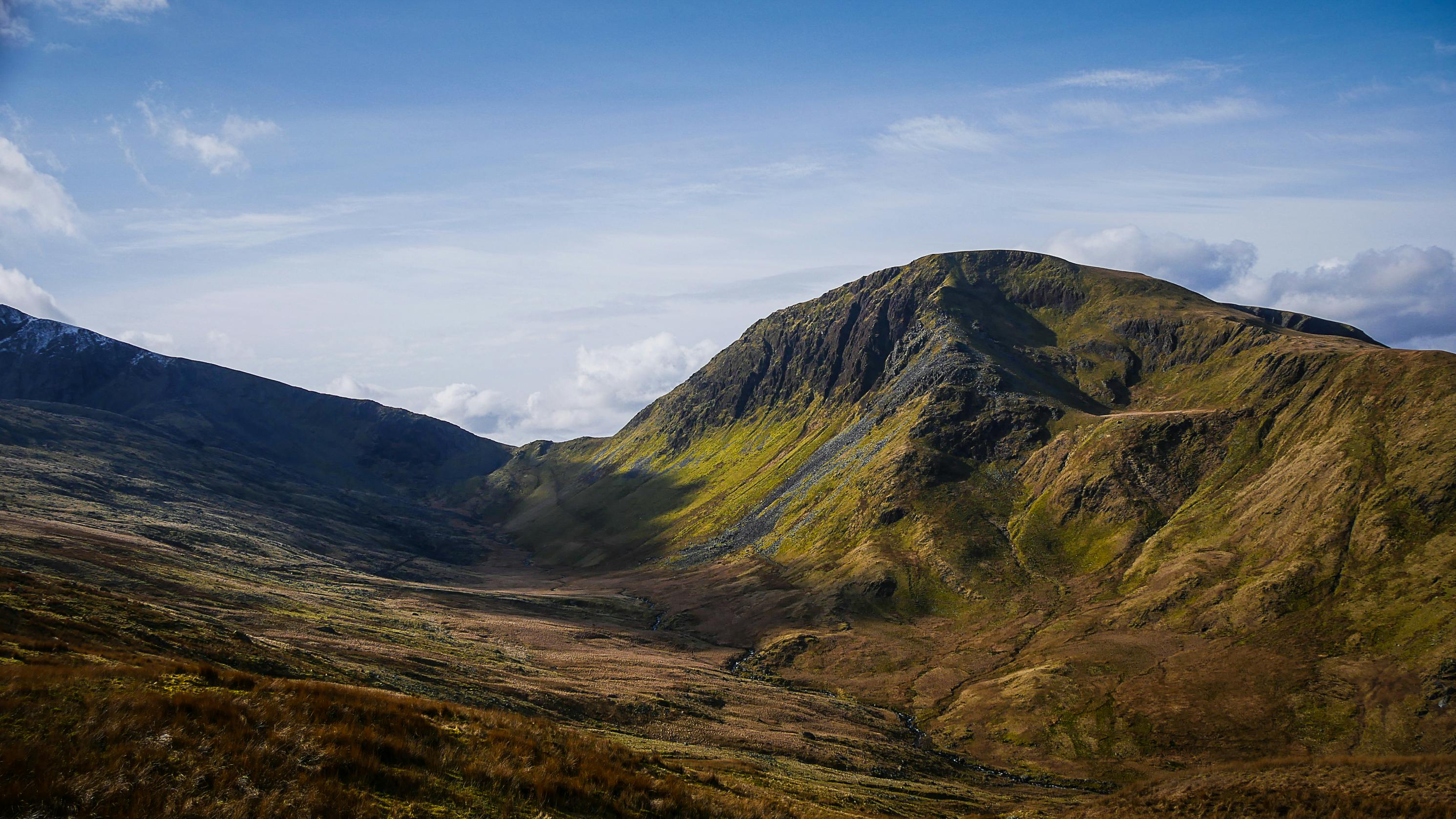
Nature plays a huge role within Celtic witchcraft - as such, it is important to take time out from the busy thrum of modern life to reconnect with the elements. Find a quiet place somewhere where you can feel the breeze, touch the earth, and hear birdsong; this kind of environment is perfect for grounding or earthing, and ultimately strengthening your relationship with the natural landscape. I like to spend time in Wepre woods, which is not far from where I grew up in Wales. It is home to a diverse range of wildlife, as well as its own 13th-century castle. Wooded areas are in general considered ‘thin places’ in Welsh folklore, but Wepre in particular is teeming with spirits, as it was once the site of a bloody battle hundreds of years ago.
Of course, you don’t need to have access to any kind of mythical landscape in order to engage in Celtic witchcraft; a simple garden will more than suffice. However, if you do live somewhere like Wales, Scotland or Ireland, I strongly recommend looking into local history; the more aware you are of your surroundings, the deeper your connection to it will be. This goes for wherever you live.
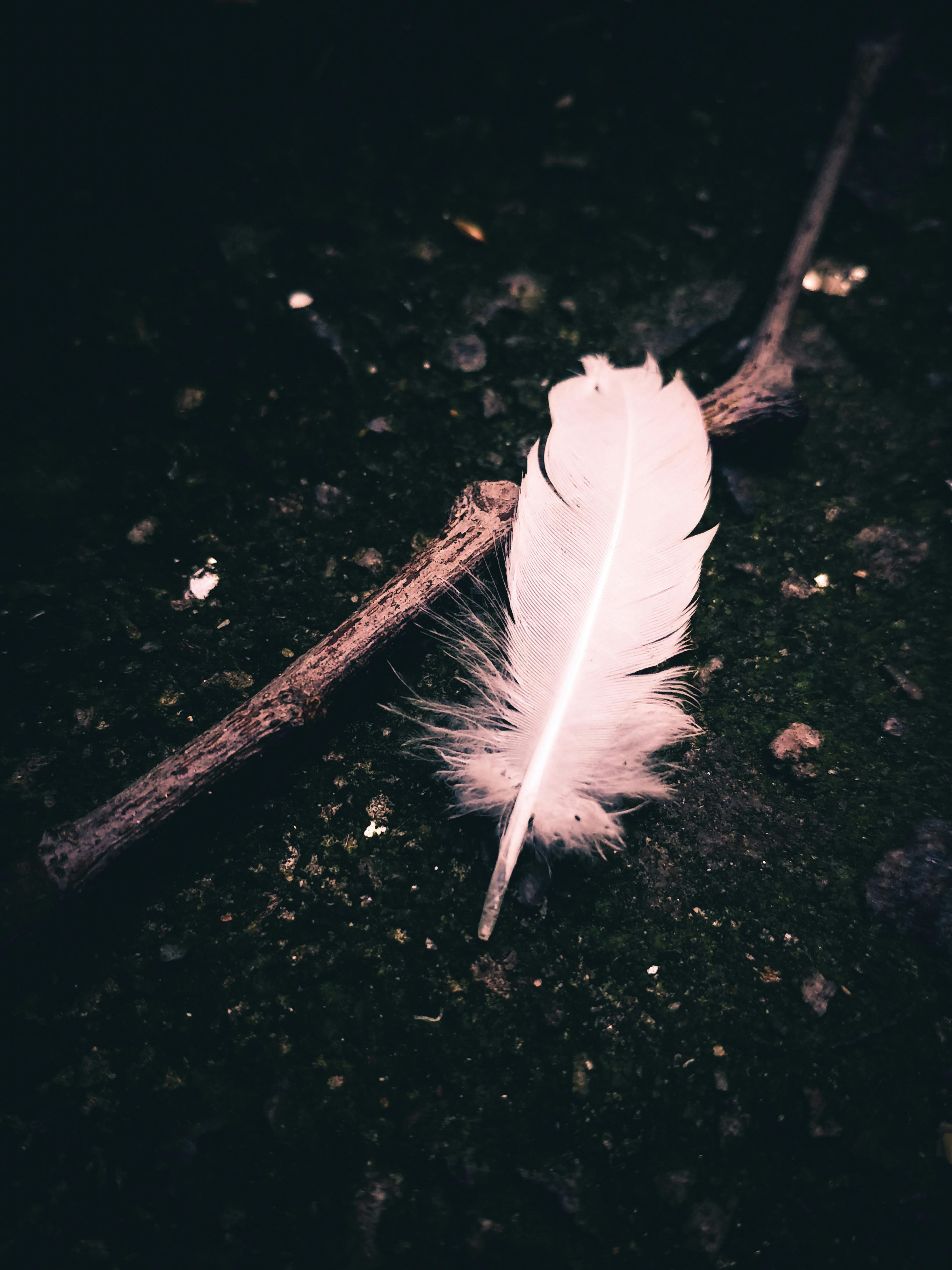
Spending time outside is also a good opportunity to collect ingredients for spells and rituals. While forest bathing, keep an eye out for things like oak leaves, blackthorn, bird feathers, and the like.
(Always research spell ingredients before using them, as not all flora will be suitable for witchcraft. For example, Hawthorn trees are commonplace in public parks and forests but should not be used for magical purposes, as they are strongly associated with the fae in both Welsh and Irish mythology).
This is not something that is specific to Celtic witchcraft. That being said, if you do want to incorporate Celtic elements into your rituals, learning simple words and phrases in a Celtic language can be a great place to start. For example, many witches like to conclude a spell or ritual with the phrase ‘blessed be’. This can be replaced by a multitude of Celtic sayings, such as ‘Boed bendith’ (which means “may there be a blessing” in Welsh, pronounced BOY-th BEN-dee-th) or ‘Bíodh sé beannaithe’ (which is Gaeilge for “may it be blessed,” pronounced BEE-ugh shay BEN-hee-huh).
For those interested in taking their interest in Celtic witchcraft further, there are a few things to keep in mind:
Antiquity does not always necessarily equate to authenticity. Be inspired by history, but always remember that it is a modern practice, and its contemporaneity does not make it any less effective or true than what our forebearers practised in the long forgotten past.
Find your community. Celtic witchcraft is an open and welcoming communal space, both online and in the real world. Whether it’s engaging in WitchTok or joining your local druid order, find what works for you and have the courage to make meaningful connections with like-minded folks.
And finally, if you can’t summon the flames directly from hell, store-bought is fine too.
Lola Stansbury-Jones is a Welsh writer whose work has been featured in publications such as the Atlanta Review, Headline Poetry, and Poets Reading the News. In 2021 she was named one of the best new British and Irish poets by the Black Spring Press Group. More of her work can be found at lolastansburyjones.wordpress.com.

Inglenook Lit is an online literary magazine for magic enthusiasts and enchantment seekers
Copyright © 2020-2025
Inglenook Lit LLC

