***
The city did not begin. It was simply there. It was a place of old stones and long shadows, where the sun rose only to show what had been lost. Walking through the narrow streets felt like moving through a house where someone had just died. There was a stillness in the air, but it was not a peaceful stillness. It was the kind of silence that follows a loud scream.
In the centre of the city, the market was quiet. The wooden stalls looked like old bones. People moved slowly, like shadows. A woman stood by a pile of fruit, but she did not call out to sell it. She did not look at the people walking by. She only looked at a broken wall where a house used to stand. When a man bought an apple, they did not speak. The sound of his coins on the table was the only noise. They did not look at each other’s faces. In this city, looking into someone’s eyes was like looking into a wound.
The buildings were tired. They leaned against each other as if they were about to fall. The doors were never fully open and never fully shut. The windows were dusty and dark, hiding the empty rooms inside. People remembered a different time. They remembered when the air smelled of good food and the streets were loud with songs. They remembered when people spoke many languages and lived together as neighbours. Now, there was only one language: the language of silence.
Memory was heavy here. It was like carrying a bag of stones. The people spent their days thinking about how things used to be. They did not plan for tomorrow because they were stuck in yesterday. An old man sat on a step, his hands shaking. He was thinking of a home that was no longer his. He did not talk about it. To talk about the past was to feel the pain all over again.
There were no soldiers in the streets, but everyone was afraid. They walked with their heads down. They whispered when they spoke. The threat was not something they could see—it was something they felt in their hearts. It was the feeling that their world had broken and could never be fixed. They were not waiting for a hero or a change. They were just waiting.
As the sun went down, the city grew cold. The sadness was not loud. It was just there, inside the walls and under the streets. The past was not behind them. It was on top of them, pressing them down. They were becoming part of the dust and the old stone. This was a city that had forgotten how to live, but did not know how to disappear.
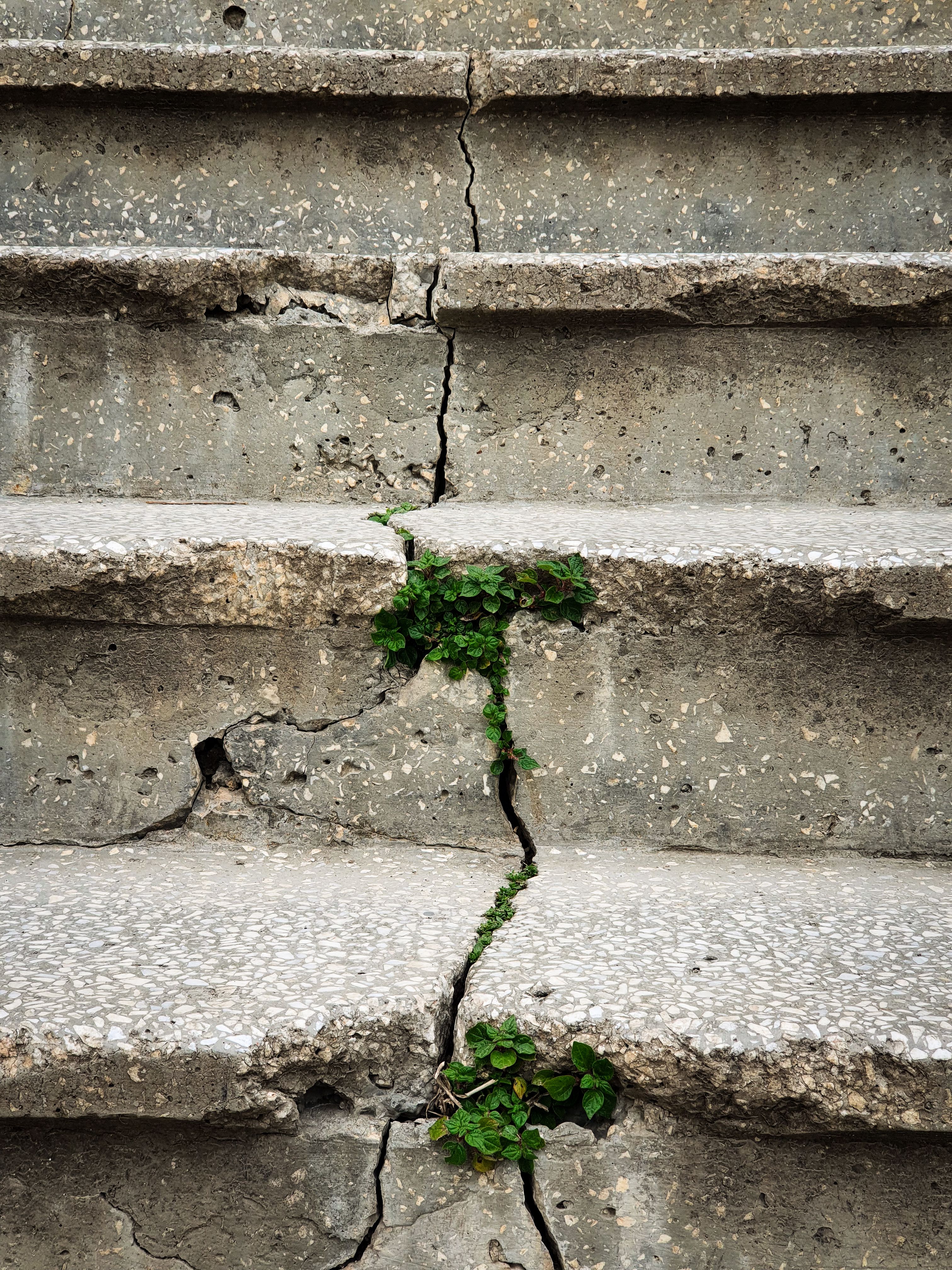
Then, near the edge of the city, a small thing happened. A young girl sat by a cracked stone wall. She did not look at the ruins or the shadows. Instead, she reached into a hole in the brick and unearthed a small, green weed that had started to grow in the dust. It was tiny and weak, but it was alive. She did not pull it out. She did not whisper a sad story to it. She simply poured a few drops of remaining water from her cup onto its roots. For a moment, the heavy silence felt a little lighter.
Atif Nawaz is a short story writer whose work explores memory, displacement, silence, and human resilience. His fiction is driven by atmospheric storytelling and a deep interest in the emotional landscapes shaped by loss and survival. Through reflective and character-centered narratives, he seeks to capture the fragile moments where despair and hope quietly coexist.

Inglenook Lit is an online literary magazine for magic enthusiasts and enchantment seekers
Copyright © 2021-2026
Inglenook Lit LLC


Excellent written
The upbeat twist at the end comes as a relief!