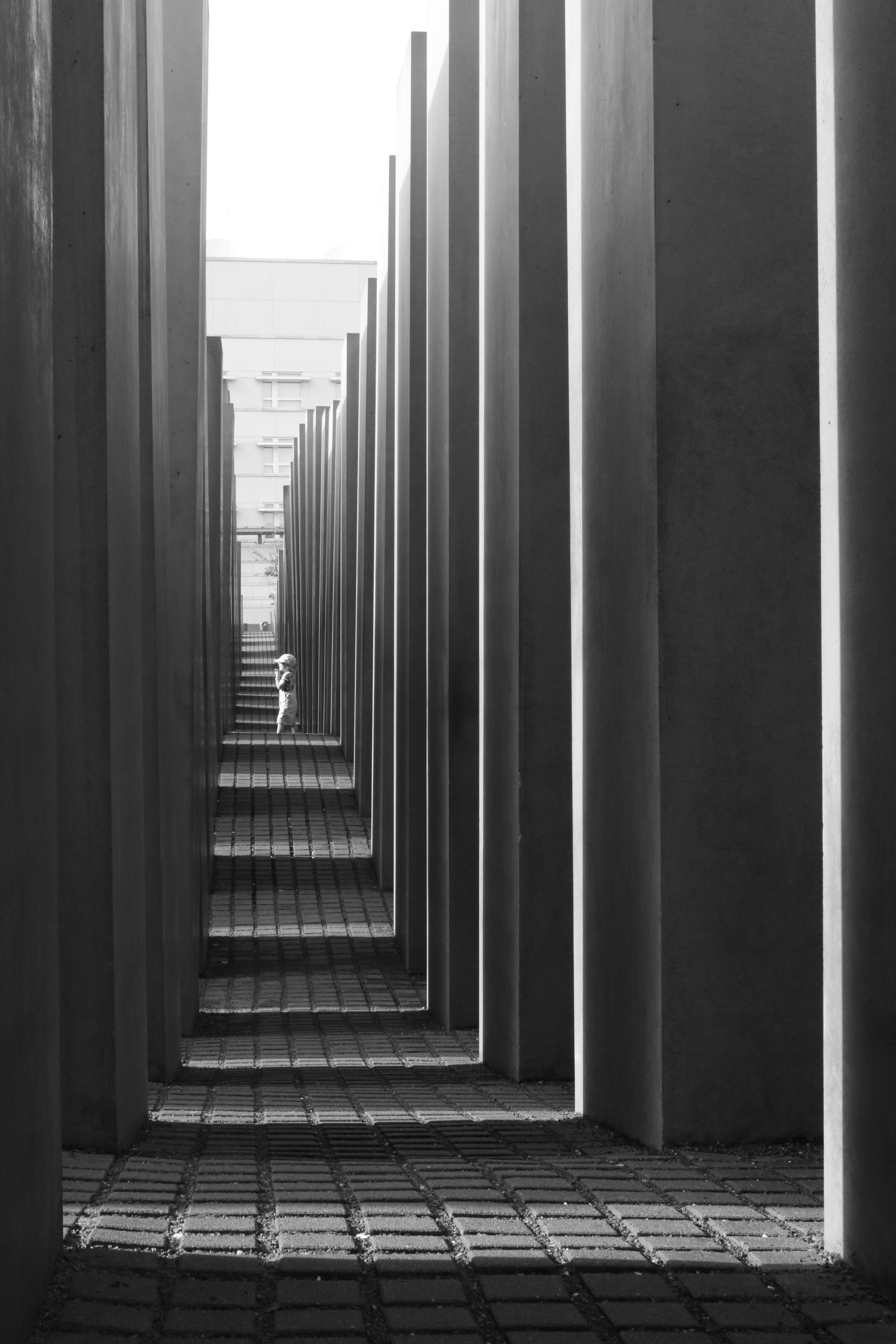
There is an incredible body of Holocaust memoirs and novels that has been built up over the past 80 years, from classics like Night by Elie Wiesel, originator of the phrase “never forget,” to fiction like The Book Thief by Markus Zusak, also a 2013 feature-length film. Often disturbing and vivid, Holocaust-era books give us the human perspective of an atrocity that exists, for most of us, only in history books. While they can be hard to read, they serve as both cautionary tales and invitations to confront the crueler aspects of human nature. In honor of Holocaust Remembrance Day, here are five books you may not have heard of to help ensure that we “never forget.”
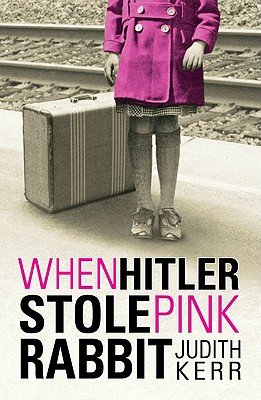
An international bestseller published in 1971, When Hitler Stole Pink Rabbit is a novel based on Kerr’s own real-life experiences during World War II. This semi-autobiographical novel follows a girl named Anna who is the daughter of a prominent Jewish writer and Nazi critic in Berlin. As political tensions progress, Anna and her family are forced to leave behind all that they know to evacuate to Switzerland, France, and London during a multiyear journey through World War II Europe.

This 2020 memoir follows Esther Safran Foer as she embarks on a deeply personal journey to uncover her family’s Holocaust past. The daughter of survivors, Foer grew up surrounded by silence about what had happened in Eastern Europe during the war. When she discovers a photograph that suggests her father had a first wife and child who perished in the Holocaust, she travels to Ukraine to piece together the truth. The book deftly intertwines family history, trauma, and resilience, offering an intimate meditation on inherited memory and the enduring need to bear witness.

Set against the backdrop of Nazi-occupied Germany, this historical novel explores the persecution of LGBTQ+ individuals during the Holocaust. Following a group of queer men and women whose lives intersect within a clandestine resistance network, Todd gives voice to a rarely told side of wartime history. The story captures both the tenderness and terror of forbidden love in an era of surveillance and cruelty, while celebrating quiet acts of defiance. Through meticulous research and lyrical prose, The Lilac People illuminates a hidden chapter of the Holocaust and underscores the universal human struggle for dignity and belonging.

This 2015 novel told from the first-person perspective of a now-elderly woman recounting life in German-occupied France is based on real historical figures even though it is fictional. The story follows two estranged sisters who must endure food shortages, abuse and brutality from occupying soldiers, and the deportation of friends and loved ones to concentration camps. Hannah does an incredible job of chronicling the female experience of war and the difficult choices people under occupation face.

Children Save Yourselves! is the true story of how two Jewish brothers survived the Holocaust in Nazi-occupied Poland in two very different ways. While one brother (Berger’s real-life father) was sent to Auschwitz and endured a brutal winter death march, the other survived outside the camps by passing as a Catholic Pole. Berger does an extraordinary job of retelling prewar and postwar events to paint a vivid picture of a tale of two brothers who had vastly different experiences during the Holocaust.

Originally published in French, this novel blends autobiography and fiction to trace a family mystery across generations. When Anne Berest receives an anonymous postcard bearing the names of relatives who died in Auschwitz, she becomes consumed by the need to uncover the sender’s identity and her family’s wartime story. Moving between present-day Paris and occupied France, Berest reconstructs a lineage fractured by the Holocaust. The book is both detective story and memorial, offering a powerful reflection on Jewish identity, memory, and the way trauma ripples through descendants.

This harrowing memoir recounts Josef Lewkowicz’s experience enduring six Nazi concentration camps and his extraordinary life after liberation. Told with unflinching honesty, Lewkowicz describes the brutality of survival, the moral compromises it demanded, and the psychological toll of witnessing unimaginable cruelty. After the war, he joined efforts to track down and bring Nazi perpetrators to justice, transforming his suffering into purpose. The Survivor stands as a testament to human resilience and the pursuit of justice, preserving one man’s story as part of the collective memory of those who refused to be erased.

This dual memoir bridges two generations — that of Holocaust survivor Alexander Kimel and his son, Martin. Through alternating perspectives, it reveals the intergenerational echoes of trauma, survival, and identity. Alexander recounts his youth in war-torn Poland, where he endured the liquidation of the ghettos and life under constant threat. Martin reflects on growing up in the shadow of that trauma, exploring how memory, silence, and resilience shaped his own worldview. Together, their narratives create a poignant conversation between past and present, reminding readers that survival is both an act of endurance and of storytelling.

Inspired by true accounts, this historical novel follows civilians caught in the devastation of Nazi-occupied Europe as they grapple with betrayal, sacrifice, and the cost of resistance. Lee’s protagonists—ordinary people forced into extraordinary circumstances—navigate moral gray zones as they try to protect loved ones while confronting the collapse of civilization around them. Through vivid prose and emotional realism, the novel portrays how compassion and courage can persist amid barbarity. The Ruins in Which We Bleed powerfully evokes the question of what it means to remain human when the world descends into horror.
Speaking of the world descending into horror, here are two organizations to be aware of:
American Jewish Committee (AJC): a global Jewish advocacy organization working to combat antisemitism, defend civil rights, and support inclusive, secure Jewish communities in America and worldwide. Donate here.
UNRWA USA: supports the UN Agency for Palestine Refugees, providing emergency food, healthcare, education, shelter, and psychosocial support for refugees in Gaza and across the region. Donate here.

Inglenook Lit is an online literary magazine for magic enthusiasts and enchantment seekers
Copyright © 2021-2026
Inglenook Lit LLC

